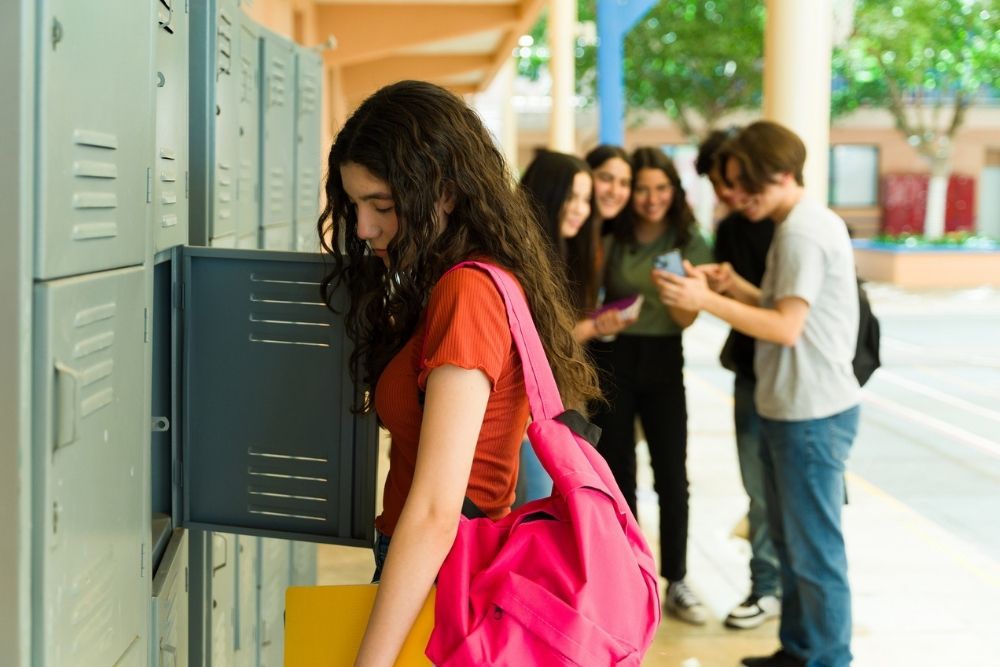
The teenage years are full of change—new environments, shifting friendships, growing responsibilities, and an increasing awareness of how others perceive them. For many teens, these transitions can be overwhelming, especially when paired with social anxiety.
Understanding what social anxiety is, why it emerges during adolescence, and how to support teens through it can make a world of difference in their well-being and confidence.
What Is Social Anxiety?
Social anxiety is more than shyness or nervousness. It’s an intense fear of being judged, embarrassed, or negatively evaluated in social or performance situations. Teens with social anxiety may avoid everyday interactions—not because they don’t want connection, but because the fear feels too big to manage.
According to the National Institute of Mental Health, people with social anxiety often struggle during performances, presentations, or even casual interactions. Common reactions include blushing, sweating, shaking, a racing heart, or suddenly feeling mentally blank or nauseous. Some keep a stiff posture or speak so softly they can barely be heard. Eye contact feels impossible, conversations feel overwhelming, and they may worry constantly about being judged or embarrassing themselves.
Because of this, many avoid social situations altogether, replay interactions in their heads, or fixate on every perceived mistake. They may also assume the worst will happen anytime something feels even slightly uncomfortable.
Teens with social anxiety experience many of the same symptoms as adults, but it can show up in school and friendships in unique ways. For example,
- They might try to skip school
- Struggle to make or keep friends
- Complain of stomachaches or headaches before social events
- Shut down or lash out emotionally
- Refuse to speak in situations that feel too intimidating
Why Teens May Experience Social Anxiety
Adolescence is a time when social comparison and peer acceptance feel especially important. Several factors contribute to the development of social anxiety during the teen years:
- Brain development. The adolescent brain becomes more sensitive to social evaluation. Teens are naturally more aware of how others perceive them, which can intensify self-doubt or fear of judgment.
- Increased academic and social pressure. Presentations, group projects, extracurriculars, and heightened expectations all create social demands that can trigger anxiety.
- Social media influence. Constant exposure to curated images and online interactions can magnify insecurities or create pressure to appear perfect.
- Temperament and genetics. Some teens are naturally more anxious or introverted, making them more prone to developing social anxiety.
- Bullying or negative social experiences. Past experiences of rejection, criticism, or embarrassment can shape how teens view future social interactions.
No matter the cause, it’s important for parents and caregivers to respond with empathy rather than frustration. What may seem like avoidance or defiance may actually be fear.
Strategies to Help Teens Cope With Social Anxiety
Supporting a teen with social anxiety involves patience, encouragement, and consistent tools to help them gradually build confidence.
1. Normalize Their Feelings
Let teens know that anxiety is a common human experience and that they’re not alone. Validating their emotions can lower shame and encourage openness.
2. Practice Gradual Exposure
Avoidance reinforces anxiety. Help teens face feared situations in small, manageable steps—for example, starting a conversation with a trusted friend before tackling a larger social event.
3. Teach Coping and Calm-Down Skills
Techniques such as deep breathing, grounding exercises, journaling, or mindfulness can help teens regulate their nervous system during anxious moments.
4. Build Social Skills Over Time
Teens may benefit from practicing:
- Making eye contact
- Asking open-ended questions
- Role-playing common social interactions
- Preparing for social situations in advance
These skills can significantly increase confidence.
5. Encourage Healthy Routines
Encourage your teen to have a healthy routine at home. Consistent sleep, balanced nutrition, and physical activity support overall emotional resilience.
6. Limit Negative Self-Talk
Help teens recognize and challenge thoughts like “everyone will laugh at me” or “I always mess up.” Replacing these with more balanced and positive thinking fosters confidence and reduces fear.
7. Support Them Without Taking Over
It can be tempting to speak for a teen or avoid situations that make them uncomfortable, but long-term growth happens when they practice handling social challenges themselves—with guidance.
When to Seek Professional Help
While occasional nervousness is normal, social anxiety becomes a concern when it consistently interferes with school, friendships, or daily functioning. Signs that a teen may need additional support include:
- Persistent avoidance of social activities or school
- Intense distress that doesn’t improve despite support
- Declining grades or withdrawal from previously enjoyed activities
- Difficulty maintaining friendships
- Significant physical symptoms before social events
A mental health professional can help determine whether your teen is experiencing social anxiety disorder and provide evidence-based treatment options such as cognitive behavioral therapy (CBT), exposure therapy, or, when appropriate, medication.
Support for Your Teen
Helping a teen navigate social anxiety takes compassion, understanding, and the right tools. With early support, teens can develop confidence, learn healthy coping strategies, and build meaningful connections.
If you’re concerned about your teen’s social anxiety, Peak Behavioral Health in Santa Teresa, NM is here to help. Our team specializes in supporting adolescents through anxiety, depression, and other emotional challenges.